Choosing a carport roof shouldn't feel like guesswork, but for many Australians, it does. Homeowners want something that looks good, handles the weather and stays within budget, yet the range of carport roof designs can make the choice confusing. A skillion roof carport offers a clean, modern look, while a gable roof carport brings height and airflow with a more classic shape. Flat and curved designs are also worth a look, depending on your home and location. This guide breaks down how each style works so it’s easier to pick the option that suits your place, climate and budget.
Understanding Carport Roof Styles
Skillion roofs feature a single sloping plane, like a lean-to. They're popular in modern homes, quick to build, and budget-friendly. The downside is lower headroom on one end and less airflow underneath.
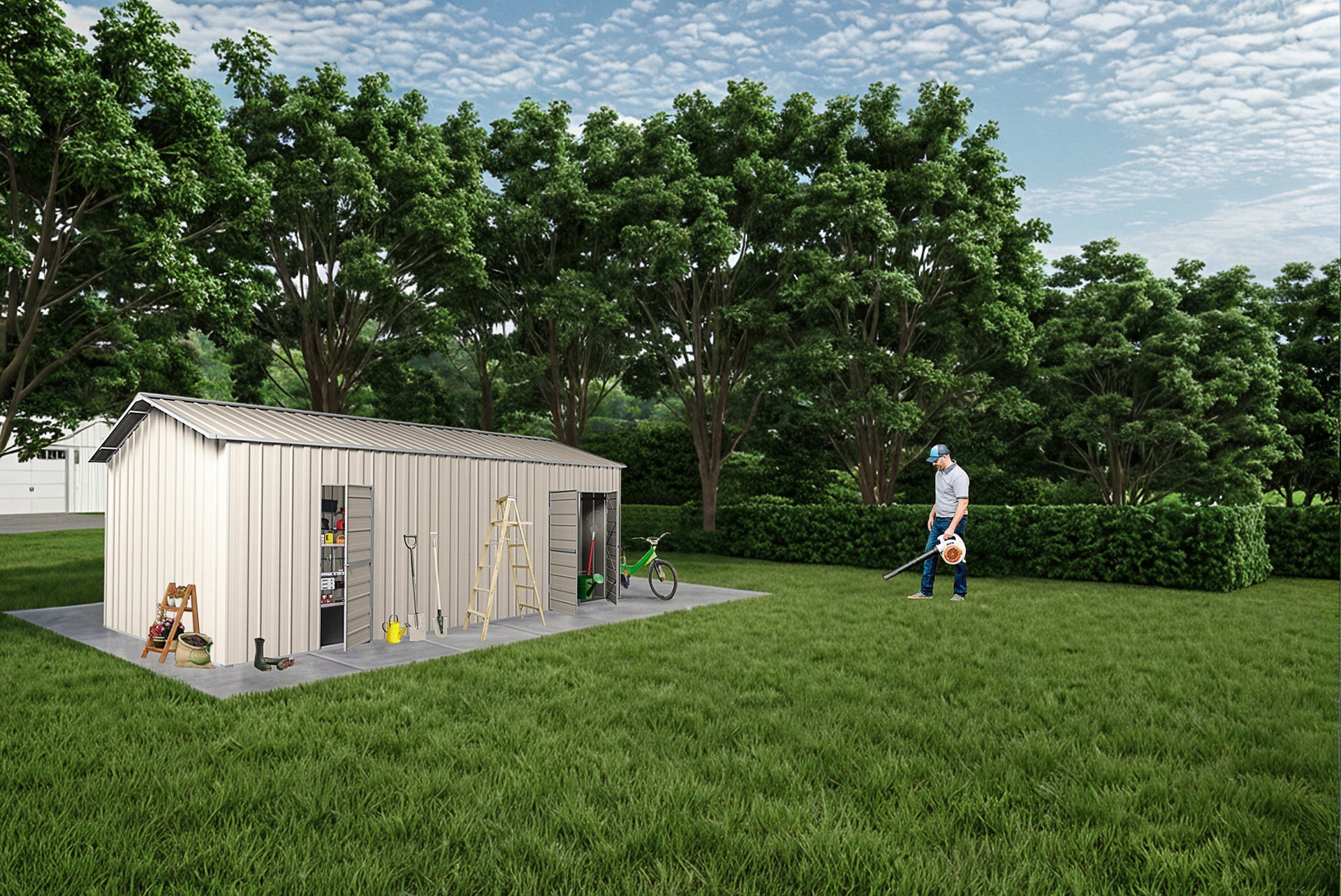
Gable roofs form the classic triangular peak, offering consistent height, improved ventilation, and a traditional look. They cost more and take longer to construct.
Flat roofs aren't truly flat—they have a slight pitch for drainage—and suit tight budgets and low-profile needs, though poor installation can cause water pooling.
Curved roofs and Dutch gables add visual interest and work well on coastal or character homes, but command premium pricing for their distinctive appeal.
How to Match Roof Style to Your Home
Modern homes with clean lines and metal roofs pair naturally with skillion roof carports. The single slope echoes contemporary design.
Traditional homes—brick, tile roofs, classic façades—look balanced with gable roof carports that mirror their pitched rooflines.
Coastal properties suit curved or skillion styles that handle wind and complement relaxed architecture. Townhouses and compact blocks benefit from flat or skillion designs that keep a low profile and meet tight setback rules.
Climate Considerations
Tropical North Queensland and the NT need strong water runoff, making higher-pitch skillion or gable roofs ideal for heavy downpours.
Southern states like Victoria and Tasmania require year-round weather protection and shade; gable roofs deliver both.
Hot inland areas in WA and SA benefit from gable ventilation, which lets hot air escape rather than trapping it underneath.
High rainfall zones across the east coast demand efficient drainage—poorly pitched roofs can cause water pooling. Each roof type performs differently depending on sun intensity, rainfall patterns, and wind exposure.
Budget and Installation Factors
Cost varies based on roof complexity; single carports with skillion roofs are simpler than double carports with gable structures. Material choice affects price: Colorbond steel costs more than standard sheeting but lasts longer.
Custom features like insulation, pitch adjustments, or integrated lighting add to the bill. Labour depends on build time—gable roofs take longer than skillion.
Council approvals can introduce delays or require design changes. Skillion roofs generally cost less and are easier to build. Gable roofs offer more features but require a higher investment upfront.
Practical Pros and Cons: Skillion vs Gable
-
Looks: Skillion suits modern homes; gable fits traditional styles.
-
Shade: Both provide coverage, but gable offers consistent height across the entire carport.
-
Height: Skillion is higher on one side and lower on the other; the gable maintains clearance throughout.
-
Drainage: Skillion channels water to one side; gable drains on both.
-
Ventilation: A gable allows hot air to rise and escape; a skillion traps more heat.
-
Maintenance: Both are low-maintenance and made of high-quality materials.
-
Integration: Skillion attaches easily to house walls; gables can stand alone or attach, but needs more structural planning.
Choosing between them comes down to looks, airflow needs, available space and how closely the carport should match the existing roofline.
When to Choose a Skillion
A skillion roof is a good choice for a modern look that aligns with newer home styles. It’s a solid option for keeping costs down because the design is straightforward and uses fewer materials. It suits small areas, works well on narrow driveways and fits easily beside single-storey homes.
A simple design makes it practical when wanting a clean finish without extra framing. It also performs well on blocks with a natural slope in one direction, as the single fall can follow the land.
When to Choose a Gable
A gable roof works well when aiming for a classic or traditional look that complements the main house roof. It’s a strong choice for anyone looking for more height or improved airflow, as the central peak allows warm air to rise and escape.
Homes that need better heat management can benefit from this shape. It suits properties with pitched roofs because a carport from Space Sheds blends more naturally with the existing lines. It’s also ideal when wanting an outdoor area that feels open and airy.
Other Styles Worth Considering
While Skillion and Gable dominate, don't ignore the alternatives. A flat roof is the ultimate money-saver and works well for basic shelter, where looks aren't the main priority.
A Dutch gable combines the hip and gable styles, adding a touch of class to heritage homes, though it costs more.
Curved roofs offer a soft, organic look ideal for beachside properties.
Flyover roofs sit above the existing gutter line, offering incredible height and airflow, bridging the gap between practical shelter and architectural features.
How to Make the Final Decision
Before committing, ask yourself:
-
What roof style does your home already have?
-
How much head height do you need for vehicles or storage?
-
Do you want more shade coverage or better airflow underneath?
-
What's your local rainfall and drainage situation like?
-
What's your realistic budget, including materials and installation?
-
Do you want the carport to blend in or make a statement?
These simple checks make the decision clearer and help narrow down the style that delivers the best fit for the property.There's no universal best roof for a carport—only the best roof for your situation. Skillion designs offer modern simplicity and affordability. Gable roofs deliver classic style, height, and ventilation. Flat, curved, and Dutch gable options fill specific gaps. The right choice aligns with your home's architecture, local climate, and budget realities. Don't chase trends or popularity. Focus on what works for your property and lifestyle.
Ready to explore your options? Browse our website or contact us on 1800 960 901 for tailored advice and a quote that matches your needs