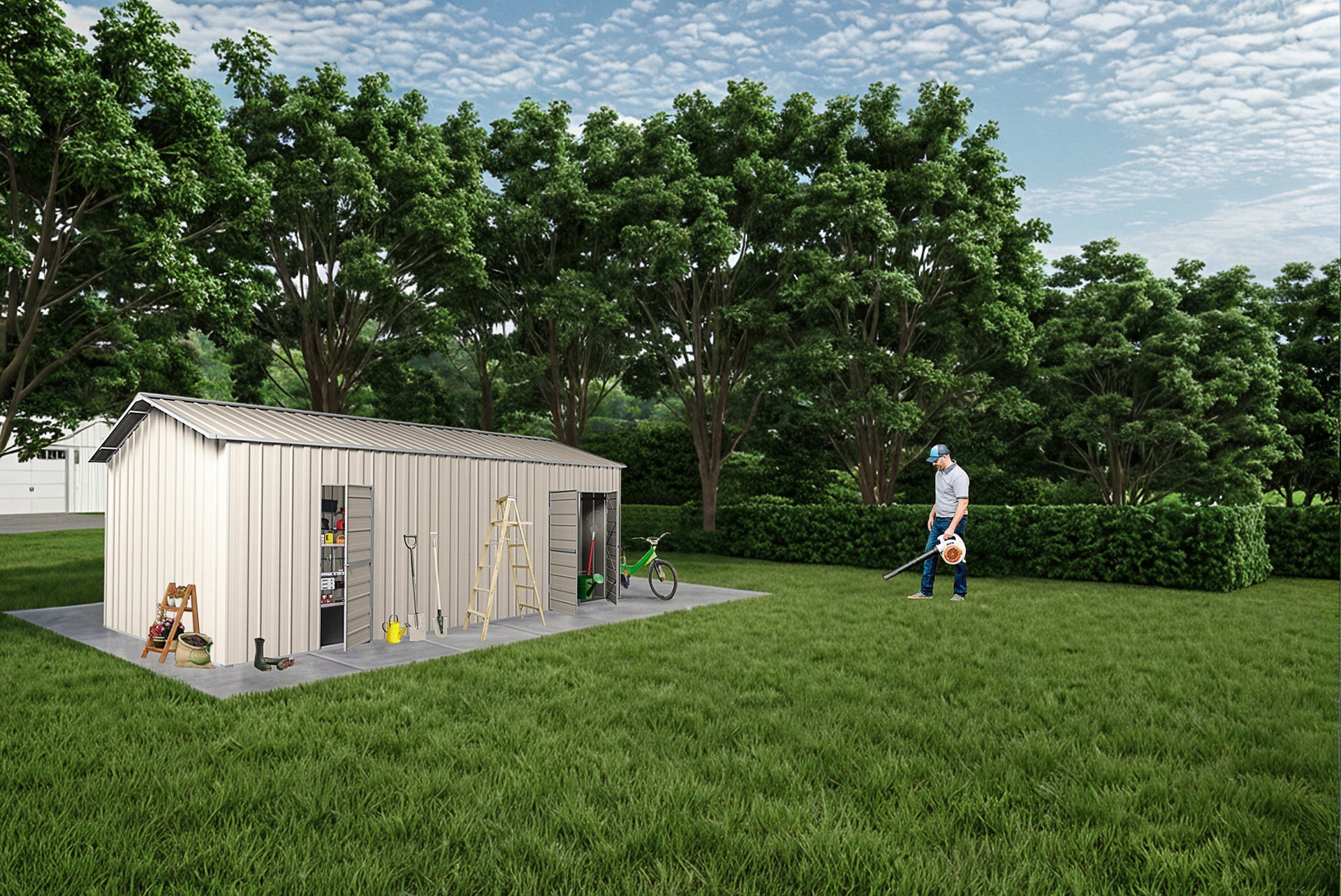
As winter creeps up to take its place in the year, gardeners everywhere will be preparing their compost, sharpening their pruners, and getting ready for frost. However, they aren’t the only ones preparing for winter. Scores of pests will seek warmer climes to survive the chill, and your garden shed serves as a prime source of warmth, shelter, and even food.
Where normally throughout the year garden pests will relegate themselves to nesting and feeding on your produce, winter is the time when these little beggars come crawling into your personal space, invading the haven of tools, materials, seeds, and gardening supplies that is your garden shed.
So, how do we combat this?

Understanding Your Enemy
While the most common garden pests won’t likely be leading a direct assault on your garden shed in the winter time, there are a number of critters just waiting to get into the sanctuary of your garden care cache.
The most common wintertime pests that are likely to disrupt the harmony of your shed are rodents, cockroaches, and spiders. Rodents like rats and mice will generally come into the shed to escape the cold. However, while in there they can damage your tools, any furniture you might have, leave droppings, and eat any plants you might be storing or drying in your garden shed. Cockroaches become more prevalent indoors in the winter, using buildings for warmth, security, and as an easy source of food. Likewise, spiders tend to clamber into many garden sheds for the same reason.
There are a myriad of ways to handle these pests, and to ensure that you’re well protected against them.

Manning the Walls
Gardeners have a distinct advantage in protecting their garden shed against these pests. Namely that we know we’re dealing with a force that is, essentially, trying to invade a space. In other words, a siege. But without the ballistae and boiling oil.
This means that our primary means of defending our garden shed will be our exterior. The walls, windows, gutters, and roof. When preparing for your winter shed maintenance, ensuring that these areas are in good condition and without any major signs of damage should be your first port of call.
Windows should be free of cracks or holes, and any damaged glass should be either sealed or replaced immediately. Damaged or old caulk should be replaced, as well as any damaged weatherstripping. Placing a door sweep to block gaps at the bottom of the door should also be a consideration.
If your garden shed roof has tiles or shingles, ensure that they’re in good condition, free of cracks or gaps. Rodents, cockroaches and spiders all have means of climbing, and are all very capable of squeezing themselves into gaps.
Your garden shed’s foundation may be around pipes or utility lines. These areas can become damaged very easily, and therefore provide a means of ingress for critters into your garden shed. Inspect the foundations, and if there is any cracking or deteriorating concrete, make sure to patch these areas up, ensuring that no little garden gremlins are getting into your shed via the floor.
Finally, the gutters. A badly maintained gutter is a source of wet leaf litter, which leads to two things bugs and pests love. A dark, nutrient rich habitat, and water damage. It is all too easy for gutters to become full of leaves, especially after autumn. Your gutters need to be kept empty and freely flowing to keep water from damaging your shed, and providing insects and bugs a fertile nesting site, and means of ingress into your shed.

Defending Against a Breach
Even after all this prep, miniscule monstrosities may still find a way into your shed. How do we defend our garden cache when the bugs make their way indoors?
First of all, we know what we’re primarily dealing with. Rodents, cockroaches, and spiders. All of them love three key things - dirt, moisture, and food.
The first is easy enough to take care of. Sweep regularly, at least once a week, and dust the surfaces of your shed, making sure to remove any webs you might notice start to develop.
Next is moisture control. Ensure that your shed isn’t humid. Whenever you’re gardening, open the windows and door. It’s not likely that your shed will become home to a nest of spiders while you’re actively using it, and controlling humidity is paramount to controlling pest population in your shed. If you have a large shed that can’t air out properly with its windows and door open alone, consider investing in a dehumidifier.
Finally, make sure there’s o food source. Pests love to feast on our garbage and unfortunately one of the most nutritious things for plants - compost - is broken down organic matter. In other words, pest ambrosia. Keep your compost outside your shed, and make sure there’s no rubbish scraps or organic waste gathering in your shed.
Other than that, make sure to have plenty of rodent traps on hand and set a few up in out of the way areas of your shed. Surface sprays regularly sprayed on the exterior of your shed around the door and windows can also help keep insects out. Or if you prefer natural repellents, remember that peppermint oil and eucalyptus oil are great protectors against pesky invaders.
Winter is Coming
For three months out of the year, every dedicated gardener is tested. Plants vulnerable to frost die, the outdoors is cold and unpleasant, frequent rains can kill plants, and many creepy crawlies make it their mission to descend upon our gardens in a desperate struggle to survive against the elements.
With these tips, you need not fear any winter time delinquents. Your tools will be safe, your supplies unspoiled, and the nooks and crannies of your shed need not play host to stealthy, hidden rogues. If, however, you need expert advice on all things garden shed related, contact Space Sheds here or by calling 1800 960 901.